How to Wash and Care for Custom Pilates Socks So the Grip Lasts
Custom pilates socks last longest when they are washed inside out in cool water, kept away from fabric softener and air dried. Custom Pilates Socks builds grip socks for studios with knit or printed logos and a grip sole, and this guide covers materials, washing, drying, loaner rotation and when to replace worn pairs so your branded stock keeps gripping.
- Wash inside out in cool water on a gentle cycle
- Skip fabric softener and bleach, which dull grip and color
- Air dry; high dryer heat softens grip dots and shrinks the knit
- Knit-in logos handle heavy loaner laundering best
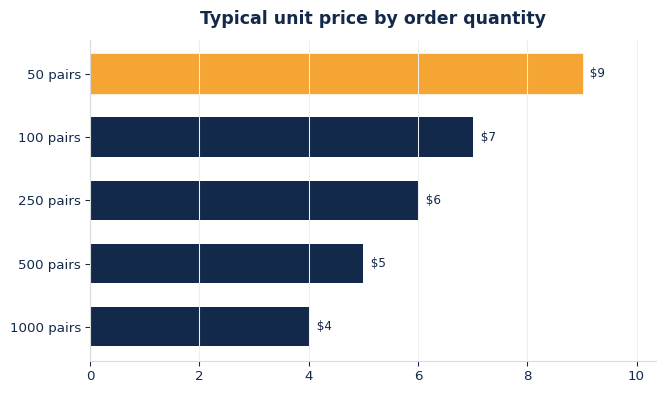
- Minimum order 50 pairs, free mockup within 24 hours
How should you wash custom pilates socks so the grip lasts?
Wash custom pilates socks inside out, in cool water, on a gentle cycle, and let them air dry. That routine protects the two parts of a grip sock that wear fastest: the grip dots on the sole and the logo on the cuff or top of the foot. Heat and friction are what break both down, so every care step is about limiting them.
Turning the pilates socks inside out keeps the sole grip from rubbing against zippers, towels and other socks in the drum. A mild detergent is enough for sweat and studio floor dust. Skip bleach, which can fade a dyed studio color and weaken the knit, and skip fabric softener, which leaves a slick film on the grip that clients feel on the reformer footbar.
- Turn inside out before every wash.
- Cool water, gentle cycle, with similar colors.
- Mild detergent, no bleach, no fabric softener.
- Air dry flat or on a rack, away from direct heat.
A mesh laundry bag helps when a studio washes loaner pairs in bulk, because it keeps pairs together and cuts down on abrasion against heavier items.
Can custom pilates socks go in the dryer?
Custom pilates socks last longer when they never go in a hot dryer. High heat is the main reason grip dots soften, peel at the edges or lose their tack, and it can also shrink cotton-rich knits so the heel no longer sits where it should. Air drying is the safest default for any branded grip sock.
If a studio needs loaner pairs turned around quickly between classes, a low or no-heat tumble setting is the compromise, with the pilates socks still turned inside out. Hanging pairs on a drying rack overnight usually works for most studios, since the knit is thin and dries fast. Avoid radiators, heated floors and direct sun on a hot windowsill, which can affect the grip the same way a hot dryer does.
Studios that sell pairs at the front desk can print a short care line on retail packaging so members learn the same routine at home. Ask Custom Pilates Socks about care text on packaging when you request a quote.

What materials are custom pilates socks made from, and how does that affect care?
Custom pilates socks are usually knit from a cotton, combed-cotton or bamboo-blend body with stretch fiber for recovery, plus a grip sole applied to the bottom. Each part has its own care needs, and the fabric choice changes how the pair behaves after many washes.
| Part of the sock | What it is | What damages it | Care priority |
|---|---|---|---|
| Knit body | Cotton, combed-cotton or bamboo blend with stretch fiber | Hot water and high dryer heat (shrinkage, lost stretch) | Cool wash, air dry |
| Grip sole | Silicone or similar grip compound in dots, lines or a logo pattern | Heat, fabric softener, abrasive washing | Inside out, no softener |
| Logo or design | Knit-in yarn colors or a printed design | Bleach, harsh detergent, heat | Mild detergent, wash with similar colors |
| Cuff and heel | Ribbed or stretch knit | Stretching on hot radiators or wringing | Lay flat, do not wring |
Bamboo blends feel soft and cool but tend to be more delicate, so gentle cycles matter more. Combed cotton holds shape well and handles frequent washing. For a deeper look at fabric choices, see the fabric guide on the Custom Pilates Socks blog, then match the blend to how often your pairs will be laundered.
Does a knitted logo last longer than a printed one on pilates socks?
A knitted logo on custom pilates socks is part of the yarn itself, so it cannot peel or crack, and it usually holds up best under heavy studio washing. A printed design allows finer detail and more colors, but it sits on the surface and needs gentler care to stay crisp. Both last well when washed inside out in cool water.
The practical question is how the pairs will be used. Loaner socks that are washed after every class favor a knit-in logo and a simple, bold mark. Retail pairs that members wash at home now and then can carry a more detailed printed design without much risk. A grip pattern that spells out your studio name is a third option, and it wears like the rest of the sole grip.
When you are unsure, ask for a mockup of both approaches. Custom Pilates Socks returns a free mockup within 24 hours, and you can request unlimited free revisions before you approve anything or pay.
How do you care for loaner and shared studio grip socks?
Loaner and shared custom pilates socks need a fixed laundry routine, separate storage for clean and used pairs, and a rotation that spreads wear across the whole stock. Shared pairs are washed far more often than personal ones, so they are where good care habits pay off most.
- Collect used pairs in a lidded bin at the end of each class, not loose on the floor.
- Wash the same day so sweat does not sit in the knit.
- Dry fully before storage to keep pairs fresh and the grip clean.
- Store clean pairs by size in labeled cubbies or baskets near check-in.
- Rotate stock so newer pairs go to the back and older pairs get used first.
Size-coded colors or a size mark on the cuff speed up sorting after the wash. Many studios also order a dedicated color for loaners so they never get mixed into retail stock. If you are building a loaner program, the custom crew grip socks and custom ankle grip socks pages show the styles studios most often choose for shared use.
When should a studio replace worn pilates socks?
Replace custom pilates socks when the grip dots are visibly worn smooth, peeling, or missing in the ball and heel areas, or when the knit has thinned or lost its stretch. Worn grip is a safety issue on reformers and studio floors, so it is the first thing to check, ahead of how the logo looks.
A simple monthly check works for most studios. Pull a handful of loaner pairs, look at the sole under good light, and press a thumb across the grip. If the surface no longer feels tacky after a normal wash, or the dots lift at the edges, move that batch out of rotation. Retire pairs with holes at the toe or heel even if the grip looks fine.
Planning a reorder before stock runs low avoids a gap. Custom Pilates Socks keeps your approved design on file, so a repeat run skips the artwork stage, and standard turnaround is about 2 weeks after approval, with express shipping available when you need pairs faster.
How can studios teach members to care for retail pilates socks?
Studios teach members to care for retail custom pilates socks by putting a short care line on the packaging, mentioning it at checkout, and repeating it in a welcome email or class reminder. Members who wash grip socks correctly get longer use from them and are more likely to buy the next drop.
- Packaging card: one line covering inside out, cool wash, no softener, air dry.
- Front desk script: instructors mention care when handing over a new pair.
- Welcome kit insert: a care note alongside the socks for new members.
- Social post: a quick reminder when a new color launches.
Good care messaging also reduces complaints that a grip sock stopped gripping, which almost always traces back to fabric softener or a hot dryer. If your studio is planning retail packaging, mention care text in the quote request so it can be included in the mockup.
What should you tell Custom Pilates Socks about laundering before you order?
Tell Custom Pilates Socks how often the pairs will be washed, who will wash them, and whether they are loaners, retail stock or event giveaways. That information shapes the recommended fabric blend, grip layout and logo method, and it keeps the order matched to real studio use.
A studio washing loaner pairs daily may want a durable combed-cotton body and a knit-in logo. A retreat or workshop giving pairs away can lean toward a softer blend and a more detailed printed design. Active-aging and physical therapy programs often care most about easy-on cuffs and a full grip sole that holds up to frequent washing.
The minimum order is 50 pairs, and you pay nothing until you approve the design. Send your logo, style preference and expected wash routine through the quote form, and Custom Pilates Socks will return a free mockup within 24 hours.
Frequently asked questions
Can you wash custom pilates socks in hot water to sanitize them?
Custom pilates socks should be washed in cool water rather than hot, even for shared studio pairs. Hot water can shrink cotton-rich knits and soften the grip compound on the sole. A mild detergent and a full rinse remove sweat and floor dust well, and drying pairs completely before storage keeps them fresh between classes without risking the grip.
Why do pilates socks lose their grip after washing?
Pilates socks usually lose grip after washing because of fabric softener, dryer sheets or high dryer heat. Softener leaves a slick coating on the grip dots, while heat softens or lifts them at the edges. Washing custom pilates socks inside out in cool water, skipping softener and air drying them keeps the sole tacky on reformers and studio floors.
Can fabric softener ruin custom grip socks?
Fabric softener can make custom grip socks feel slippery because it coats the grip sole with a thin film. Clients notice the change first on the reformer footbar and on smooth studio floors. Custom Pilates Socks recommends washing with a mild detergent only, and if softener has already been used, an extra wash without it often restores much of the grip.
Should pilates socks be washed inside out?
Pilates socks should be washed inside out every time, because that keeps the grip sole from rubbing against towels, zippers and other laundry. Turning custom pilates socks inside out also protects a printed logo on the top of the foot or cuff from abrasion. A mesh laundry bag adds extra protection when a studio washes many loaner pairs together.
How do you dry bamboo blend pilates socks without damaging them?
Bamboo blend pilates socks dry best laid flat or hung on a rack, away from radiators and direct sun. Bamboo fibers feel soft but are more delicate than combed cotton, so high dryer heat can shrink them and weaken the stretch. Custom Pilates Socks suggests gentle cycles and air drying for any bamboo pair, whether loaner or retail.
Will a knitted studio logo fade on grip socks?
A knitted studio logo on grip socks is made from dyed yarn within the knit, so it does not peel or crack the way a surface design can. Colors can soften over many washes if bleach or harsh detergent is used. Washing custom pilates socks with similar colors in cool water keeps a knit-in logo looking close to the approved mockup.
How many spare loaner pilates socks does a studio need for laundry rotation?
Spare loaner pilates socks should cover every class that runs before the next wash cycle finishes, plus extra pairs in the most common sizes. Studios that wash daily need fewer spares than those washing a few times a week. Custom Pilates Socks can help you plan a loaner run from the minimum order of 50 pairs upward.
Can members machine wash retail custom pilates socks at home?
Retail custom pilates socks can go in a home washing machine on a gentle cycle in cool water, turned inside out. Members should skip bleach and fabric softener and let the pairs air dry. Custom Pilates Socks can add a short care line to retail packaging so members follow the same routine the studio uses for its own pairs.
What is the best way to store clean pilates socks at the front desk?
Clean pilates socks store best fully dry, sorted by size, in labeled baskets or cubbies away from used pairs. Folding pairs together keeps them matched, and a lidded bin for returns keeps used socks separate. Studios ordering custom pilates socks often choose a dedicated loaner color so clean shared pairs never get mixed into retail stock.
Can grip socks with a printed sole pattern be ironed?
Grip socks with a printed or applied sole pattern should never be ironed, because direct heat can melt, warp or lift the grip. Custom pilates socks do not need pressing anyway, since the stretch knit relaxes into shape when worn. Laying pairs flat to dry removes most creases and keeps both the logo and the sole grip intact.
How do you remove studio floor marks from white pilates socks?
Studio floor marks on white pilates socks usually come out with a pre-soak in cool water and mild detergent before a normal gentle wash. Scrub the knit lightly by hand, avoiding the grip dots. Skip chlorine bleach, which can yellow some fibers and weaken the grip. Custom Pilates Socks can also suggest darker sole colors that hide floor marks.
Does Custom Pilates Socks include care instructions with an order?
Custom Pilates Socks can include care guidance with an order, and studios that want care text printed on retail packaging can request it in the quote form. The care line appears in the free mockup within 24 hours, so you can review the wording alongside your logo. Unlimited free revisions let you adjust it before you approve the design.
Get a free mockup for your pilates socks
Send your logo or idea and the quantity you have in mind. Custom Pilates Socks returns a free mockup within 24 hours, you approve the design before anything is produced, and standard turnaround is about two weeks with faster options available. Get a custom quote.