Seasonal Grip Sock Drops: Building a Studio Retail Calendar
Seasonal Grip Sock Drops: Building a Studio Retail Calendar
A studio that sells the same grip sock color year-round is leaving retail revenue on the table. Seasonal grip socks give members a reason to check the front desk shelf every few months instead of buying once and being done — a fresh colorway tied to January resets, spring, summer, back-to-studio season, or the holidays turns socks from a one-time add-on into a recurring small-ticket habit that adds up across a member base.
This guide covers how to plan a seasonal grip socks retail calendar, which drops actually sell, and how to size and stock each release so a studio isn’t stuck with a wall of last season’s color come spring.
Why seasonal drops outsell a static color wall
A static rack of the same three colors becomes wallpaper within a month — members stop noticing it even if they’d happily buy a new pair. Seasonal grip socks work because scarcity and timing do the selling for you: a color only available through the holidays creates urgency, and a fresh drop tied to a season gives the front desk a natural reason to mention it at checkout instead of relying on a sign nobody reads.
The drops that perform best tie to a moment members already care about — a January reset, a back-to-studio September, or a holiday gift set for the person who’s always at 6am class. Riding an existing seasonal mindset outsells a color chosen just because it looked nice on a swatch.
How many drops is too many
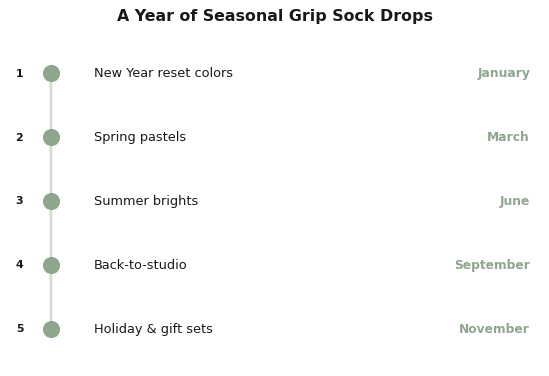
Four to five drops a year is the sweet spot for most studios — enough to keep the shelf feeling fresh without creating so many SKUs that inventory becomes unmanageable. A studio running more than six colorways at once usually ends up with slow-moving stock tying up cash that a tighter calendar would have kept moving.
Sizing each drop to actual demand
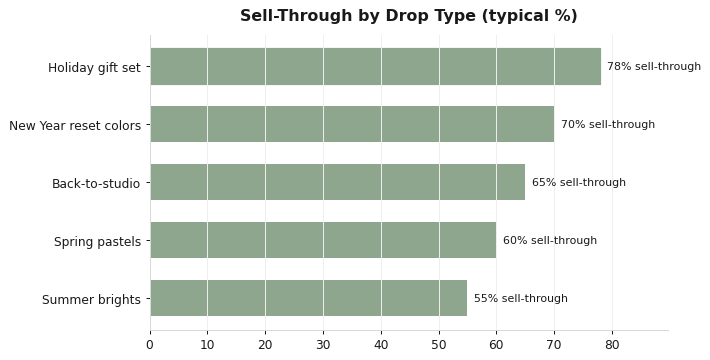
The most common seasonal grip socks mistake is ordering every color at the same volume. A holiday gift set with its own packaging typically outsells a mid-summer color simply because it doubles as a gift, not just a workout accessory. Look at your member count, your typical retail attach rate, and the season’s specific pull before setting an order quantity.
The sell-through chart below reflects what we see across studios running a seasonal calendar — useful as a starting benchmark when you’re deciding how deep to stock a new drop.
Building your studio’s retail calendar
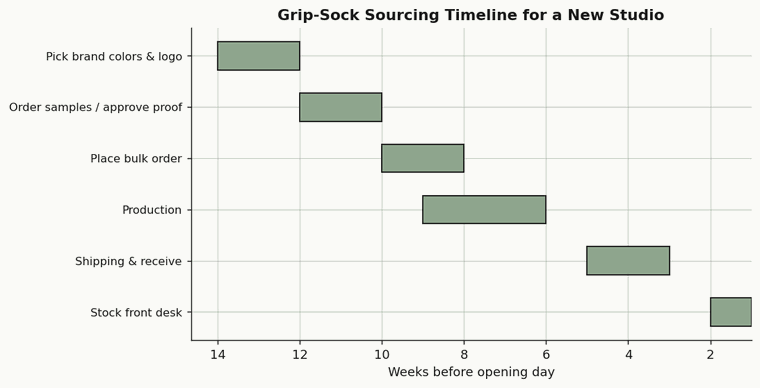
Lay out the year before you order a single pair. Anchor a color to each natural moment — New Year, spring, summer, back-to-studio, and the holidays — and lock the design lead time backward from each launch date so socks are on the shelf, not still in production, when members are ready to buy.
| Season | Suggested theme | Lead time to order |
|---|---|---|
| January | Reset colors, bold & energetic | Order by mid-November |
| September | Back-to-studio, fresh palette | Order by late July |
| November | Holiday gift set + packaging | Order by early September |
Build reorders of your best-selling permanent colors around these seasonal drops rather than instead of them — the two calendars work together, not against each other. For grip sock fabric choices that pair well with a gift-worthy drop, see our companion Grip Sock Fabric Blends: Cotton, Bamboo & Combed-Cotton for Studio Comfort, and explore the full mat studio grip sock and hot pilates & barre lineups, plus browse our custom grip socks range.
Handling leftover stock from a past drop
Even a well-planned seasonal calendar occasionally leaves a color underselling, and how you handle that leftover stock affects whether the next drop gets the same enthusiasm. Resist the urge to quietly restock a leftover color alongside a brand-new drop — it dilutes the scarcity that made the new release feel special. Instead, run a short, clearly-labeled clearance window before the next launch so members know exactly why the old color is discounted and gone soon.
Track sell-through by color after every drop, not just total retail revenue, so the calendar improves each year instead of repeating the same guesses. A color that underperforms twice in a row is a signal to retire it from rotation, even if it was a personal favorite of whoever picked the palette originally.
Consider a small loyalty mechanic for repeat sock buyers — a stamp card, an early-access window for members who bought the last three drops, or a bundle discount for buying two seasonal colors together. These small nudges increase attach rate without requiring a deeper markdown on any single drop.
Don’t let a drop launch on a quiet week
Time each release to a week with strong class attendance — avoid launching a new color during a holiday lull or a schedule change, since the first week of visibility at the front desk drives most of a drop’s early sell-through.
Coordinating socks with a broader retail strategy
Seasonal grip socks work best as one piece of a broader small-retail strategy rather than a standalone product. Pairing a new sock color with a matching accessory — a headband, a small tote, or a grip band — in the same seasonal palette increases the average transaction size without requiring a whole new product line.
Cross-promote each drop through the channels members already check — the class booking app’s notification, a QR code on the front desk, and a quick mention from instructors before class. A drop that only exists as a display on a shelf sells a fraction of what the same drop sells when instructors are primed to mention it.
Revisit pricing once a year alongside the calendar refresh. Seasonal exclusivity supports a modest premium over a studio’s permanent, always-in-stock colors, and members generally accept that premium as long as the seasonal release genuinely feels limited and well-timed rather than just a price bump on the same product.
Keep one evergreen color always in stock
Alongside the seasonal rotation, keep at least one neutral, permanent color always available. It gives members who don’t care about the seasonal drop a reliable option, and it protects retail revenue during the gap weeks between planned releases.
Treat the calendar as a living document rather than a set-and-forget plan. After the first full year, sit down with sell-through numbers, front-desk feedback, and any color requests members made unprompted, and use that to adjust next year’s palette and timing rather than reusing the exact same five drops indefinitely. Studios that revisit the calendar annually tend to see retail attach rate climb steadily, while studios that never revisit it often see the seasonal novelty wear off by year three. A five-minute planning session added onto an existing quarterly business review is usually enough to keep the calendar sharp without turning it into a separate project.
Frequently asked questions
How far ahead should a studio plan seasonal grip sock drops?
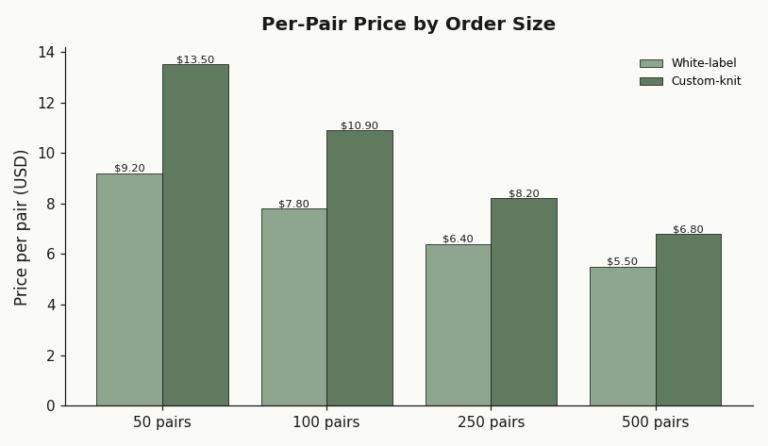
Plan the full year’s calendar at once and lock production lead times backward from each launch date — typically six to eight weeks for a custom colorway. Planning all drops together also lets you negotiate better per-unit pricing across the year.
What sells best as a seasonal grip sock drop?
Holiday gift sets with dedicated packaging and January reset colors consistently sell through fastest, because both tie to a moment members are already primed to buy into.
Ready to plan your studio’s sock calendar?
Tell us your member count and season and we’ll help you spec a seasonal grip sock drop that sells through.