Choosing reformer pilates socks for a studio is not the same as picking a pair for a single client. When you are stocking a front desk or building a branded retail program, the grip layout, fabric weight, and fit have to match the equipment your members actually use. A sock that feels perfect on a reformer carriage can slide on a mat, and a thick mat sock can feel clumsy on the precise footwork a reformer demands. This guide breaks down the spec differences so you can stock the right grip socks for pilates the first time.
Most studios run a mix of reformer and mat classes, which is exactly why a single generic grip sock rarely satisfies everyone. Matching the sock to the surface keeps clients confident in their footing and keeps your retShop returns low.
Why the Surface Changes the Spec
Reformer work happens on a smooth, moving carriage where clients need grip that holds during dynamic footwork and lunges, plus a snug fit so the sock does not bunch under load. Mat work happens on a static, higher-friction surface where the priority is full-coverage traction for balance poses and a slightly cushioned feel. Those are different problems, and the grip pattern is where they diverge most.
| Spec | Reformer socks | Mat socks |
|---|---|---|
| Grip coverage | Targeted under ball & heel | Full-sole, dense dots |
| Fabric weight | Lighter, breathable knit | Mid-weight, light cushion |
| Fit priority | Snug, low-bunch | Secure with a little give |
| Cuff | Low or no-show common | Crew or ankle for coverage |
| Best style | Open or strapped designs | Closed-toe full grip |
Match the grip layout to the surface your clients spend the most class time on.
Grip Layout: Targeted vs Full-Sole
On a reformer, grip concentrated under the ball of the foot and heel gives clients control during footwork without adding bulk where the foot flexes. On a mat, a denser full-sole grip pattern supports the wider base of contact in standing and balance work. If your studio leans heavily one way, weight your stock toward that layout; if you run an even split, carry both and label them clearly at the front desk.
Fabric Weight and Breathability
Reformer classes tend to run warmer and faster, so a lighter, breathable knit keeps feet cool and the sock close to the skin. Mat and slower-tempo classes tolerate a touch more cushion. For a branded studio program, picking one fabric weight per style keeps your reorders simple and your sizing consistent across colors.
Sizing for a Studio, Not One Person
Retail grip socks for a studio means stocking a size run, not a single size. A snug fit matters more for reformer socks because bunching under the strap is the most common complaint. Order a clear small/medium/large split, and keep your best-selling middle size deepest. Custom grip socks let you set a consistent size chart across every color and design you carry, which cuts down on confused exchanges.
Branding Both Styles Consistently
Whether a client buys a reformer or mat pair, the sock should read as part of your studio. Keep the logo placement, color story, and cuff style consistent across both specs so your retail rack looks like a collection rather than a grab bag. That consistency is what turns a functional sock into a piece of studio merch clients actually want to wear.
Ready to stock the right socks for your reformer and mat classes? CustomPilatesSock makes branded grip socks built to your studio’s spec and size run. See how it works on our reformer studio page, review fit details in our FAQ, or get a custom quote today.
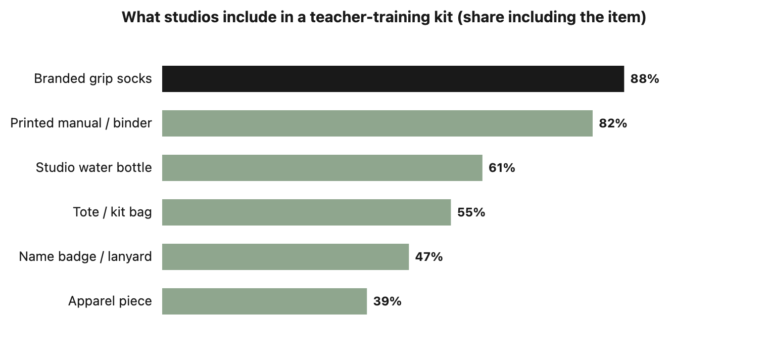
Planning studio gifts too? See our guide to custom grip socks for instructor appreciation and teacher training kits.
Win Free Stuff
Enter below for a chance to win plus receive 10% off your first order.
🎉 You are in!
Check your email for your 10% off code. Good luck!